
Just explaining Skyrim LOD for those modelers who are making models that might need them.
LOD is reserved for the larger exterior objects; Rocks, Buildings, Trees.
There are 4 possible levels of detail that can be done, although we will probably only use 2. I'll do two Skyrim examples to give an idea, a mountain piece and a farm house building.
Here is the original mountain model at 3399 tris
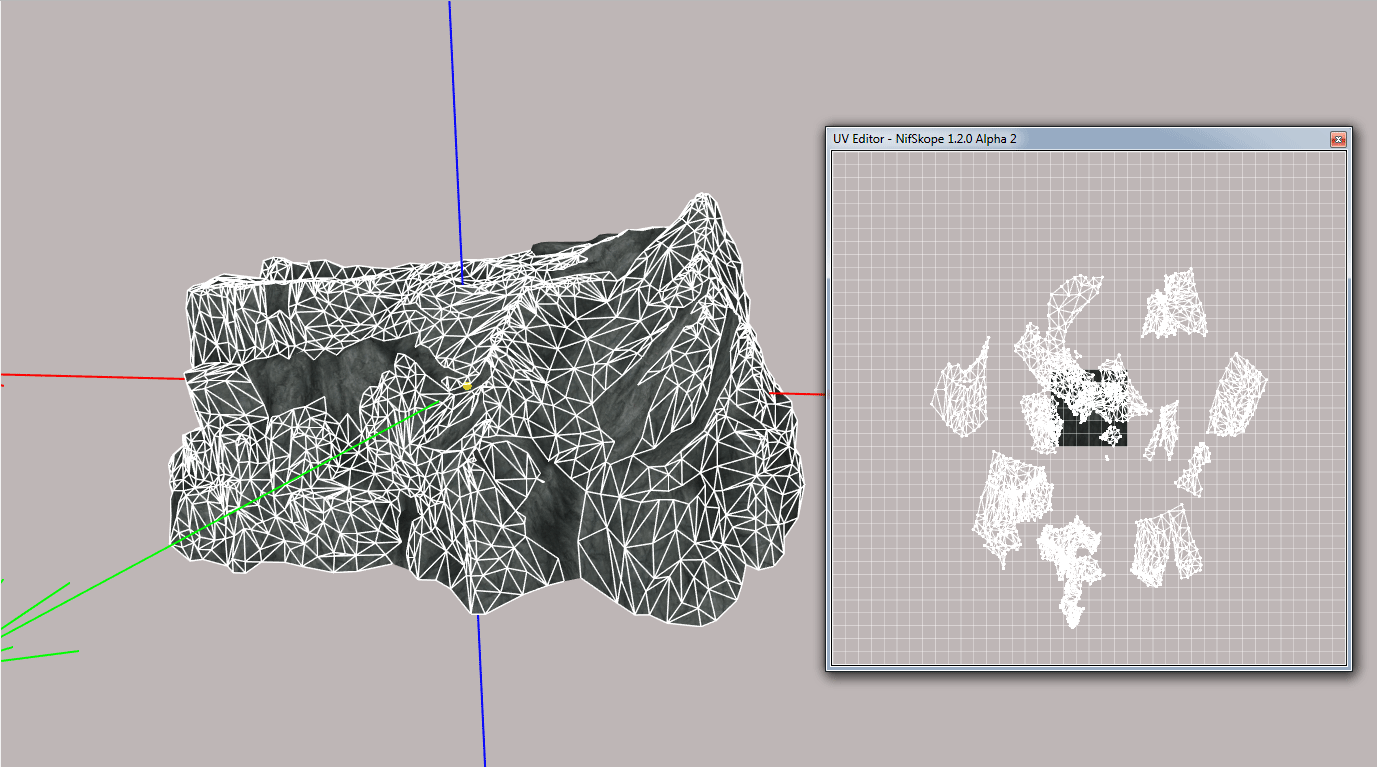
The first level of detail (lod0) can have tileable textures. However this should only be used on the largest of models. The viewing distance is variable, Ill give an example of possible ranges in thread below, although actual change overs happens variably and cannot be set as far as research has gone. LODs do not need collisions, as they are always at a distance.
Mountain piece at first level (lod0) has 2391 tris. Texture is same as large mountain model, 1024x1024
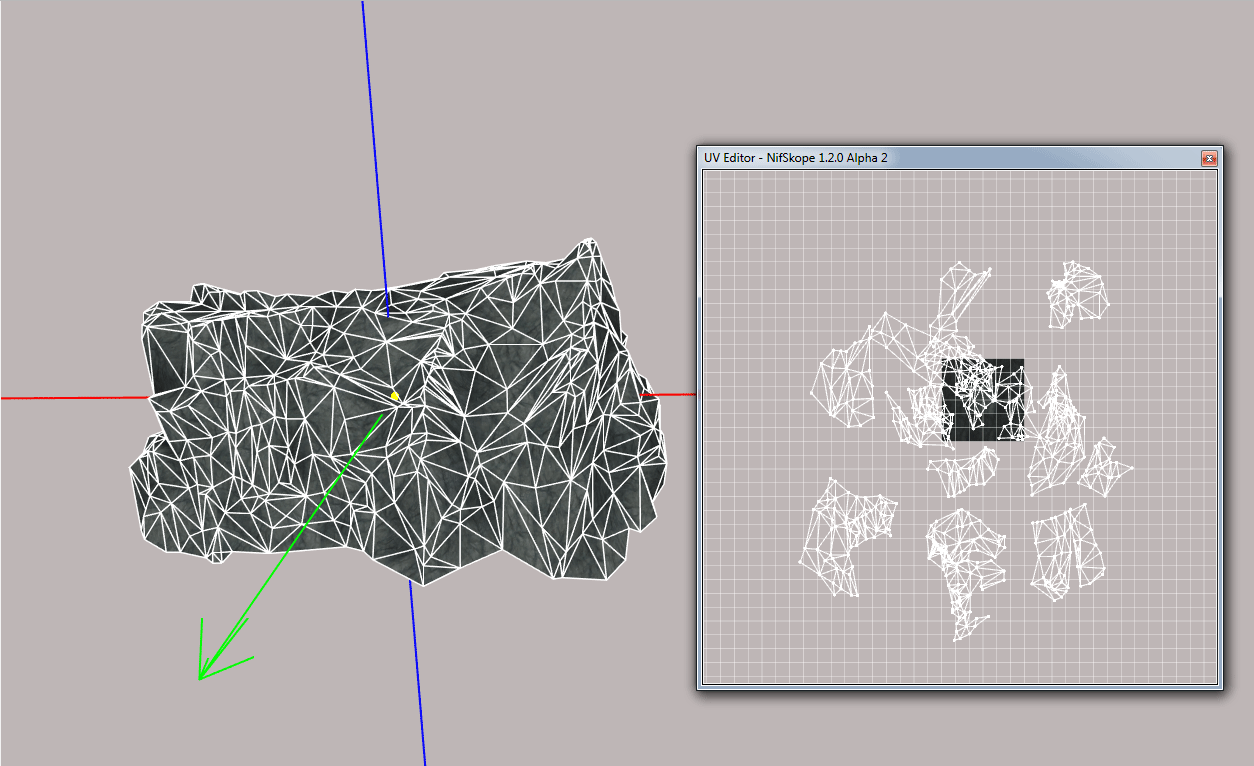
Second level (lod1) needs to be a one to one UV mapping. Cannot be tileble, but can have separate meshes.
Mountain piece at second level (lod1) is 354 tris. Texture is 128x128
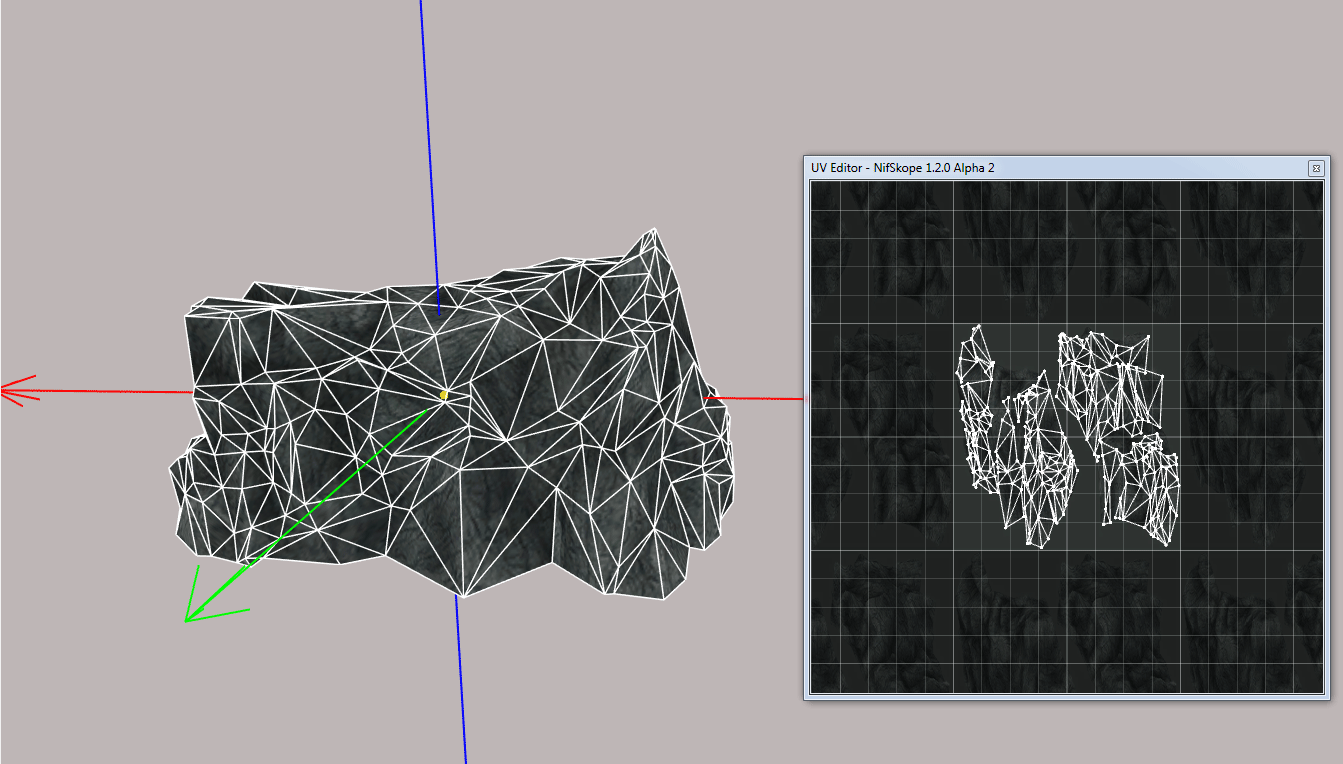
Third level (lod02) needs to be a one to one UV mapping. Cannot be tileble, but can have separate meshes.
Mountain piece at third level (lod02) is 63 tris. Texture is the same one used in second level at 128x128
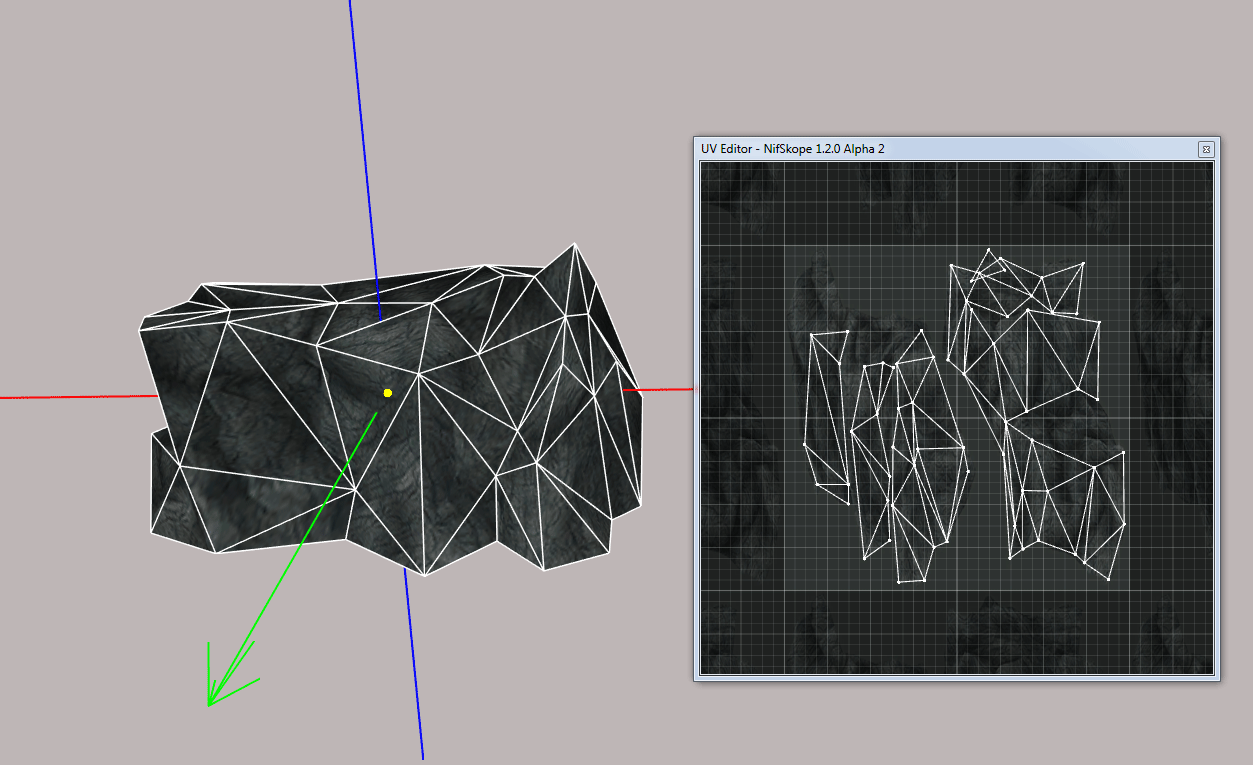
Now there is a fourth level (lod03), but Bethesda didn't use it at all, and you can see from above example that its getting too low a detail to be of value.
Farmhouse original at 2488 tris.
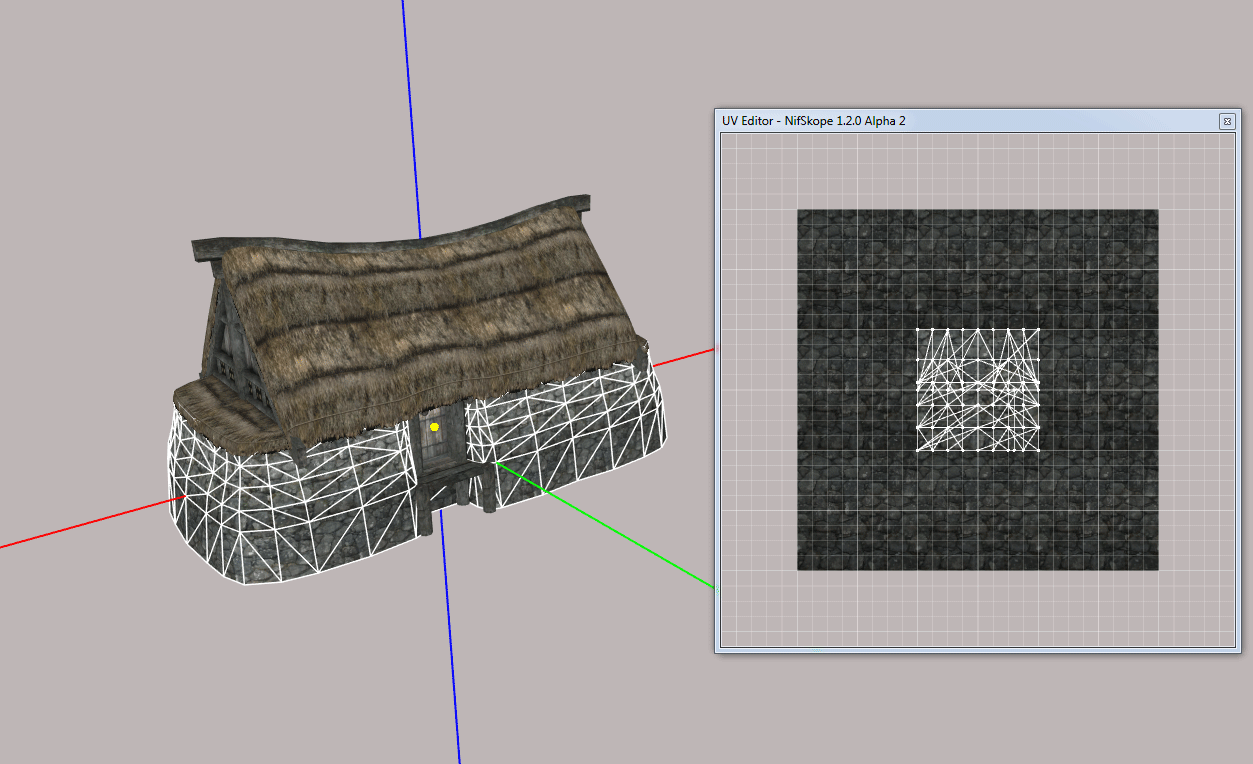
There was only the first level of detail (lod0) created for the farmhouse. 368 tris. The texture is 128x256
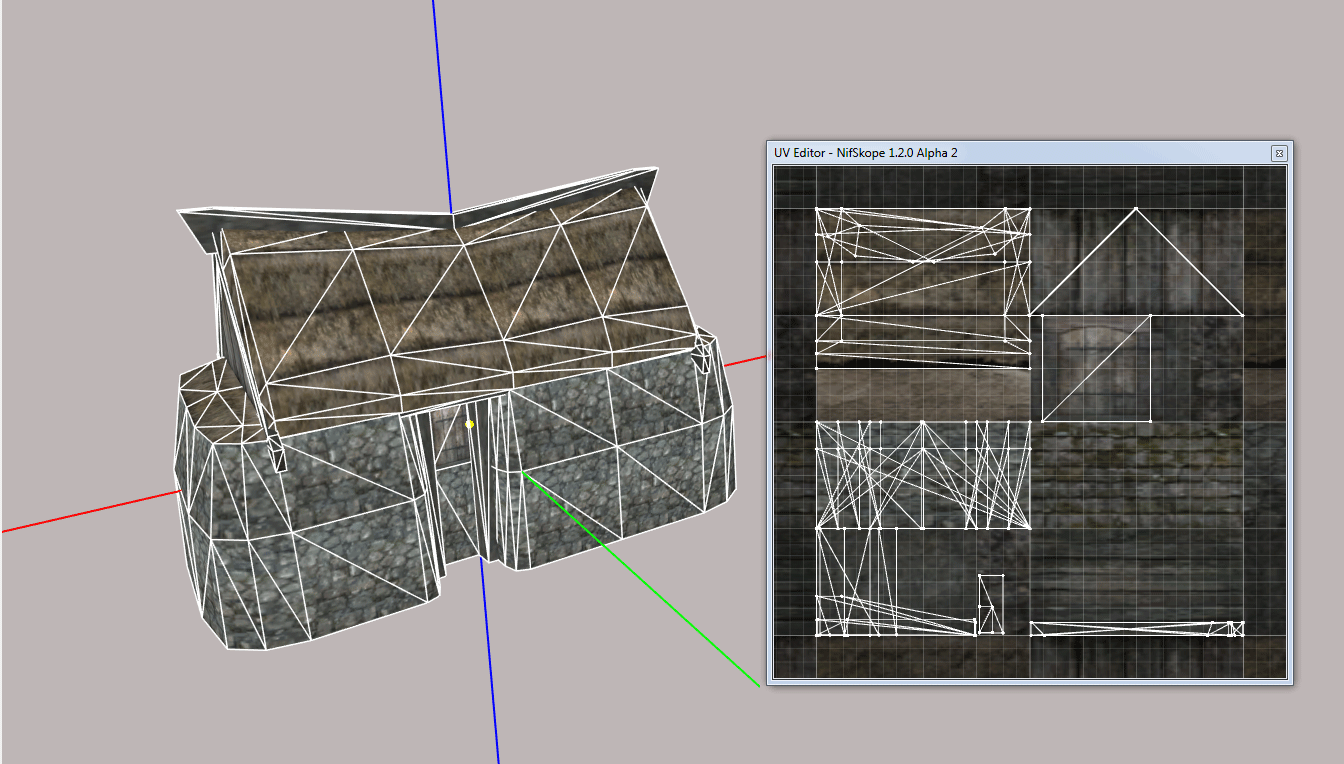
So these are Skyrim examples and of course we are Skywind, texture sizes will be higher resolution. We should decide as a group for recommended resolutions.
Here is an idea of the range that lod0 covers. Near range can be variable, but just shows you how close you can be sometimes before it transitions to the full model. I used a really low poly model for emphasis.

Same models, still on lod0

So you can see by the distance that the need for LOD 1-3 will be very minimal. Only the largest of rocks (mountains) and maybe something like Vivec City? There are not a lot of high viewing points in Morrowind (designed on purpose probably because of restrictions?) and the only real vista views are from Red Mountain which is covered in the blight storm preventing viewing anyway. So just having the one level of detail for smaller rocks and buildings should be enough. I'm happy to be proven wrong if we decide on higher points of viewing areas.
We will create a comprehensive list of all the models that should have LOD. But in general, larger rock/mountains, buildings and trees. Now there is actually a separate lod methodology for trees used in Skyrim, however I'll need to figure out how it works first.
Quick test with some Parasol
Quick test with some Parasol LODs
LOD0 test using a single 1024 map
[External image]
All 3 levels. LOD1 is 560 tris, LOD0 is 1300 and the Original model is 3690.
[External image]
My workflow for generating these is to make the LOD texture atlas using every texture used on the model in question, then Duplicating it (the model) and redoing the UVs to the new texture. I then use Mayas 'reduce' operation to Lower the poly count of the mesh by around %50, And then adjust further reductions from there. The mesh is then combined and I duplicate and reduce again. until i have 3 levels of detail (or two, depending on how far we want to go.)
Another example is this: 3 Mushrooms, Master model is 2854 tris, LOD0 is only 750 tris, And LOD1 is a meer 374 tris.
[External image]